Nutrition
High-Protein Meal Prep for Women on a Budget (With a Sample Day)
By the Reshape 30 Team··8 min read
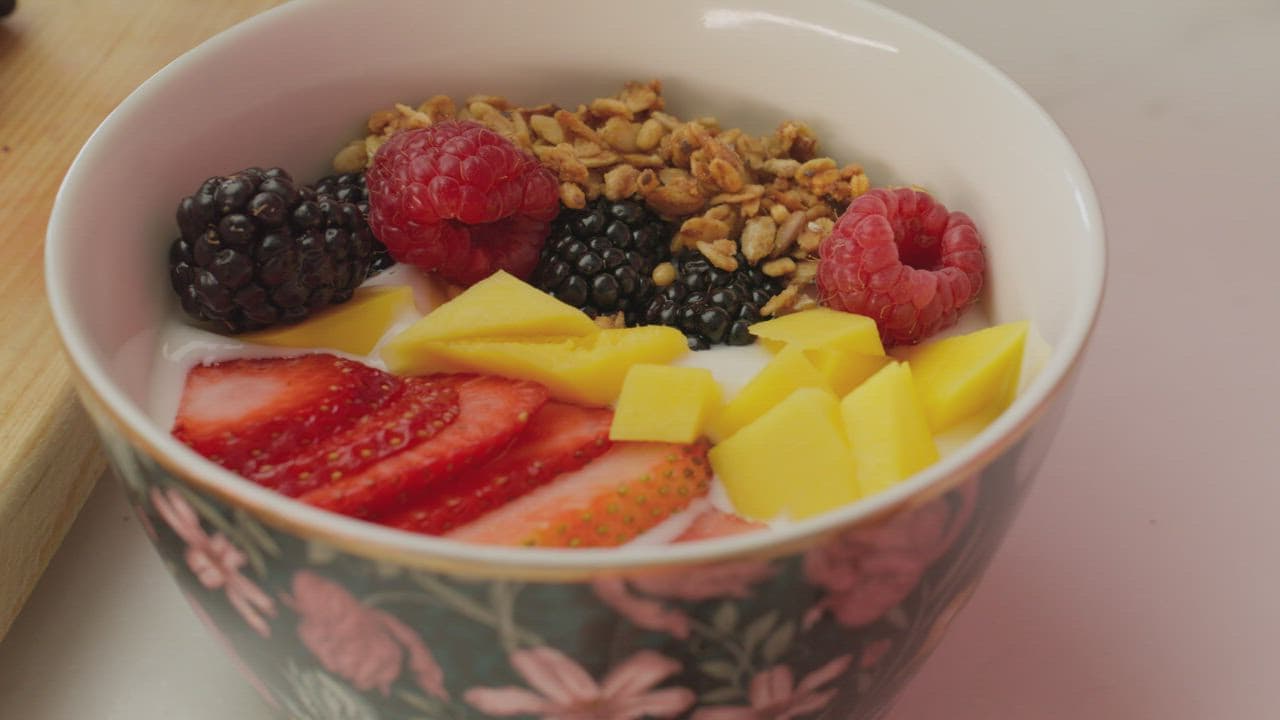
How to meal prep high-protein meals without overspending: budget-friendly protein sources, a simple weekly prep routine, and a full sample day of eating.
Why protein matters when you work out
Protein provides the building blocks your body uses to repair and build muscle, which is why it gets so much attention among people who exercise. It also tends to be filling, which can make it easier to feel satisfied after meals.
Individual protein needs vary depending on body size, activity level, age, and health, so there is no single perfect number for everyone. A practical approach for most women is to include a solid source of protein at every meal and most snacks. If you have a medical condition or specific goals, a registered dietitian can help you find the right amount for you.
Budget-friendly protein sources
High-protein eating does not have to mean expensive cuts of meat or specialty products. Some of the most affordable protein foods are pantry and fridge staples. Buying larger packs, store brands, and frozen options can stretch your budget further.
Mixing animal and plant proteins is also a smart money move. Beans and lentils, for example, are inexpensive and also provide fiber, while eggs and canned fish are quick to prepare.
- Eggs and liquid egg whites
- Canned tuna, salmon, or sardines
- Chicken thighs or whole chickens (often cheaper than breasts)
- Dried or canned beans, lentils, and chickpeas
- Plain Greek yogurt and cottage cheese in large tubs
- Tofu and tempeh
- Frozen chicken, fish, or edamame
- Peanut butter and powdered peanut butter
A simple 90-minute weekly prep routine
Meal prep works best when it is simple. Rather than cooking seven different recipes, prepare a few building blocks you can mix and match through the week. This keeps cost and time down and prevents food boredom.
Pick one day, often Sunday, and work through the steps below. While the oven and stovetop do their work, you can wash and chop vegetables. Store everything in clear containers so you can see what is ready.
- Roast a tray of chicken thighs or tofu with simple seasoning
- Cook a big pot of rice, quinoa, or potatoes
- Simmer a batch of lentils or make a bean chili
- Hard-boil 8-12 eggs
- Roast two sheet pans of vegetables
- Portion yogurt with fruit into jars for quick breakfasts
Sample high-protein day on a budget
Here is an example of what a day might look like using prepped ingredients. Portions are flexible and should be adjusted to your hunger, activity, and needs. The goal is to show how protein can fit into every meal without complicated cooking.
Breakfast: Overnight oats made with milk, a spoonful of plain Greek yogurt, a scoop of peanut butter, and banana slices. Prepare three or four jars at once.
Lunch: A grain bowl with prepped rice, roasted chicken thighs (or tofu), roasted vegetables, and a quick sauce of yogurt, lemon, and garlic.
Snack: Two hard-boiled eggs and an apple, or cottage cheese with frozen berries.
Dinner: Lentil and bean chili topped with shredded cheese or a dollop of yogurt, served with a side salad or roasted vegetables. This freezes well, so make a double batch.
Ways to save money without losing protein
Plan your meals around what is on sale and what you already have. A quick look through your fridge and pantry before shopping can prevent buying duplicates. Building your weekly menu around two or three proteins also lets you buy in bulk.
Frozen fruit and vegetables are usually cheaper than fresh, last much longer, and are just as convenient for meal prep. Canned beans and fish are inexpensive pantry backups for weeks when you are short on time.
- Buy family packs and freeze portions
- Choose whole chickens or bone-in thighs and use bones for broth
- Use beans and lentils to stretch meat dishes
- Shop store brands for yogurt, oats, rice, and canned goods
- Cook once, eat twice: double recipes and freeze half
Keeping meal prep sustainable
The best meal prep plan is one you will actually follow. If 90 minutes feels like too much, start by prepping just breakfasts and one protein. Even small steps reduce weekday decisions and takeout.
Rotate a few seasonings and sauces to keep the same base ingredients interesting: taco seasoning one week, lemon and herbs the next, a peanut-soy sauce after that. Variety in flavor makes repeat ingredients feel new.
Food safety and storage basics
Meal prep only saves money if the food stays safe and appealing to eat. Let cooked food cool briefly, then refrigerate it promptly in shallow, airtight containers so it chills quickly. Label containers with the date so you know what to eat first.
Most cooked meals keep well in the fridge for a few days. For anything you will not eat soon, the freezer is your friend: soups, chili, cooked grains, and shredded chicken all freeze well in individual portions. Thaw them overnight in the fridge and reheat until steaming hot throughout.
- Refrigerate cooked food promptly in shallow containers
- Label containers with the prep date
- Plan to eat fridge meals within a few days, and freeze the rest
- Reheat leftovers thoroughly before eating
This article is for general educational purposes and isn't medical advice. Talk to your healthcare provider before starting a new exercise or nutrition program.